The ideal face still was still pale skin with blush, dark eyebrows, and red lips; the desperation to attain this look led to some young women to defy their parents and elders and painted their faces. The most important aesthetic feature remained white powder or skin whiteners- white cosmetic. These products were held above all else and were still used when women were attempting to achieve a more natural look ironically. Many secretly applied these toxic substances, thinking their chances in society or work would improve, but resulted in lead poisoning often and went go to great lengths to conceal their habits. In addition, the use of cosmetics took hold among African American women as well, though they were criticized for emulating white beauty, and the racial prejudice treated those with lighter skin tones or straighter hair better leading to some companies developing products that claimed to alter black skin to white (was actually really harmful and didn't work).

Throughout the later half of the nineteenth century, the fashion economy developed through commercialization and more department stores, and while a natural face was still encouraged, clothing became more exuberant and fancy as fashion sense flourished. Middle class women had more opportunities to display their finery, like shopping or strolling the streets, and the working class would window shop or create versions of stylish clothing from their own homes. Also, men and women both started gaining a more comprehensive idea of their facial qualities during this century, and would deliberate more about their appearances through portraits, mirrors, fashion plates... etc. However, as photography became more advanced, pictures became more important in familial and social life as some began to see them as representations of their identity as well as their body because of the detail and precision never seen before. Some clients demanded the photographs to be retouched and to remove blemishes while retaining a natural look while others relied on cosmetics to give them the appearance they desired (some photographers would even advise their sitees of their clothing, posture, cosmetics). With the advancement of technology, fame of actresses began to increase even more as they constantly applied paints to display their beauty to the nation through spreading pictures and even cosmetic advertisements. Makeup soon became a standard and considered as a method to control women's features as justifications for applying it were gradually brought up.
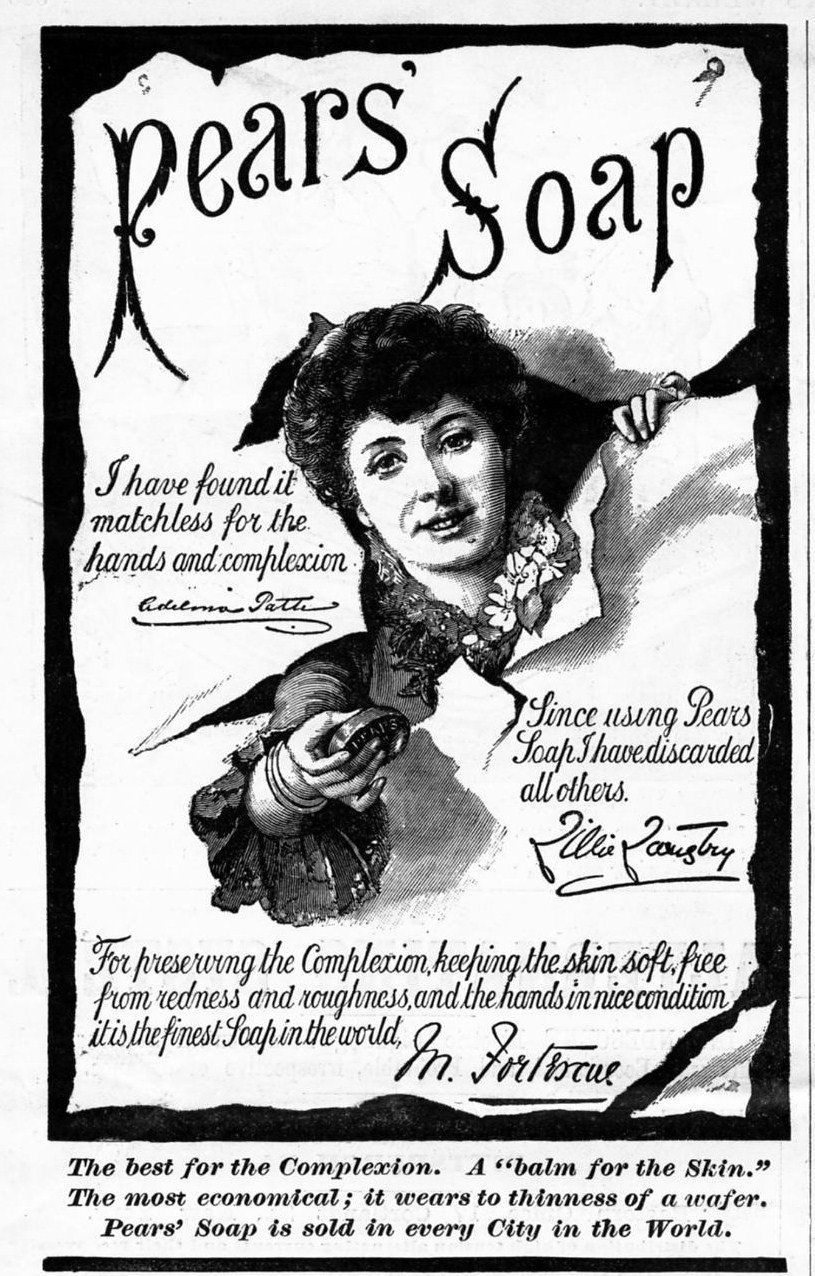
Between 1870 to 1900, cosmetic sales grew incrementally but was still a tiny fraction of the American economy. Women became more involved in consumerism and some magazines promoted this change while encouraging them to still use homemade remedies to improve complexion and other facial features in editorial advices. However, this did not curb the growing curiosity and want for more beauty products as more companies began to incorporate cosmetics into their sales, competing with druggists who eventually became the primary distributors along with retail outlets. This expanded its market as more and more people could afford and buy it, like rural and African American women, who increasingly took part in this consumerism (hair straightening products), and some advertisements exclusively appealed to black women in communities, creating a wide mail order trade.

Gradually, makeup became to be less tabooed by society as more women began to apply it such as prostitutes, sporting women (neither prostitutes nor performers; pleasure seekers), and the working class. Their methods of application drew distinct lines of their social place, and young working women were especially known for their sometimes excessive use of cosmetics, such as the tough girls who were thought be uninhibited and sexually active. However, resistance and resentment towards the changing cultural standards came as a result and several cities pursued and targeted women who seemed artificial without a natural face, which were mostly started by men who saw cosmetics as a mark of sin and denounced their wives' excessive expenditure on toiletries. The useage of makeup became a controversial subject among women as well as they debated whether its application was considered deception or an underlying truth that not all women were born beautiful and that others should be given an equal opportunity. Meanwhile, cosmetics revolutionized as reformers exposed some of the dangerous ingredients in the products (lead and mercury) and newer products that had more natural tints became more popular.

Questions:
Was the subject of cosmetics more polemical among women or men?
Why did African Americans start becoming interested in emulating cosmetics used in white society?

I cannot thank lemeridian funding service enough and letting people know how grateful I am for all the assistance that you and your team staff have provided and I look forward to recommending friends and family should they need financial advice or assistance @ 1,9% Rate for Business Loan .Via Contact : . lfdsloans@lemeridianfds.com / lfdsloans@outlook.com. WhatsApp...+ 19893943740. Keep up the great work.
ReplyDeleteThanks, Busarakham.