BIG.JPG)
Due
to private-label manufacturers, many companies used the same standard products
under different brand names and added minor additives for slight
differentiation. As make up in the cosmetics industry began to rise in demand,
more startup business relied on them for special equipment and expertise. Simultaneously,
a wide array of cosmetic firms filled the market with thousands of new
products, leading to competition for shelf space. This caused major companies
to promote their products by offering window trims, advertisements for
retailers or druggists, and free samples. Advertising became a key component to
boosting sales as technology created better means of advertising, like radio
broadcasting, causing the cosmetics industry to have a large expenditure on ad
placements. However, women’s role in the cosmetics industry steadily went
downhill as consumerism caused many ladies to purchase makeup from department
stores or other business rather than beauty parlors or salons where it was
previously most popularly sold, especially after 1920, but the beauty culture
tradition still remained intact with the higher class segment. Men in large manufacturing
companies gradually overtook women’s smaller businesses and deemed the trade in
makeup, a temporary beauty business.
For
African Americans, business was still segregated but more exclusive to the
black community even as time went on. They tended to support and help one
another, like the rise of Anthony Overton’s High Brown product that inspired
other white entrepreneurs to focus solely on black cosmetics. White
manufacturers noticed the growing attraction to cosmetics and began soliciting
black patronage. African American cosmetics manufacturers attempted to form a
trade union in 1917 to counter this but cooperation proved to be difficult. In
addition, the Great Depression was the downfall for many businesses, though
beauty shops and agent operator systems did not go extinct.

Throughout
the 1920s, men looked for ways to legitimize their stance in the cosmetics
culture, emphasizing their masculinity as salesmen and denouncing homosexuality
in ads. They also had difficulty appealing to their female customers and
started hiring female beauty experts that identified with their brand or
creating fictive characters, Mrs. Gouverneur Morris for Primrose House. This
displaced women from ownership but more advertisers and manufacturers turned to
them for advice and knowledge, creating the first generation of advertising
women.
The
rise in national advertising in the 1920s also created synergies, ties between cosmetics manufacturers, advertisers,
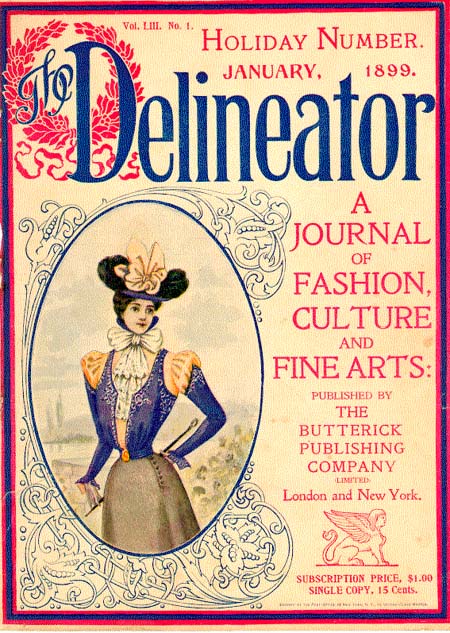
retailers and mass media. The main women magazines, Ladies’ Home Journal, McCall’s, Delineator…, redesigned their layouts to break up the texts
among advertisements, mostly cosmetics, while still promoting natural beauty
and purity. On the other hand, newspapers and cheap magazines provided the buzz
for beauty news, becoming a leading source of advertising revenue and caused
major cosmetics manufacturers to start kissing up to beauty editors for free
publicity. The beauty editorial style,
a light and intimate tone, took hold as the distinction between editorials and
advertisements became blurred, persuaded famous people to lend their name to
the brand, and conducted early market research. The tie-in became popular because of its way to connect popular trends
with national advertising, especially with the stage and screen (Max Factor’s frequent
product demonstrations at matinees and became extremely popular at department
stores with public lectures and booths) and with garment manufacturers to
rationalize the fashion trade, turning cosmetics into accessories but connected
fashion’s successes and downfalls with cosmetics. The hidden or closed demonstrator
pretended to be a saleswoman at a store and touted her employer’s products
method began to expand (another version was push
money or p.m.s in which a
saleswoman was paid a commission directly by the manufacturer if she pushed
their line) and continued into the 1940s even with passage of legislation to
curb the phenomenon. It demonstrated to the male manufacturers that the
cosmetics business required information, educated consumers, services, and
women’s sociability.
Questions: What were some juxtapositions regarding the
development of the cosmetics industry into a mass market?
To what extent was the importance of women’s role in the
promotion of cosmetics advertising and sales?

No comments:
Post a Comment