Friday, March 13, 2015

Chapter 8: Identity and the Market

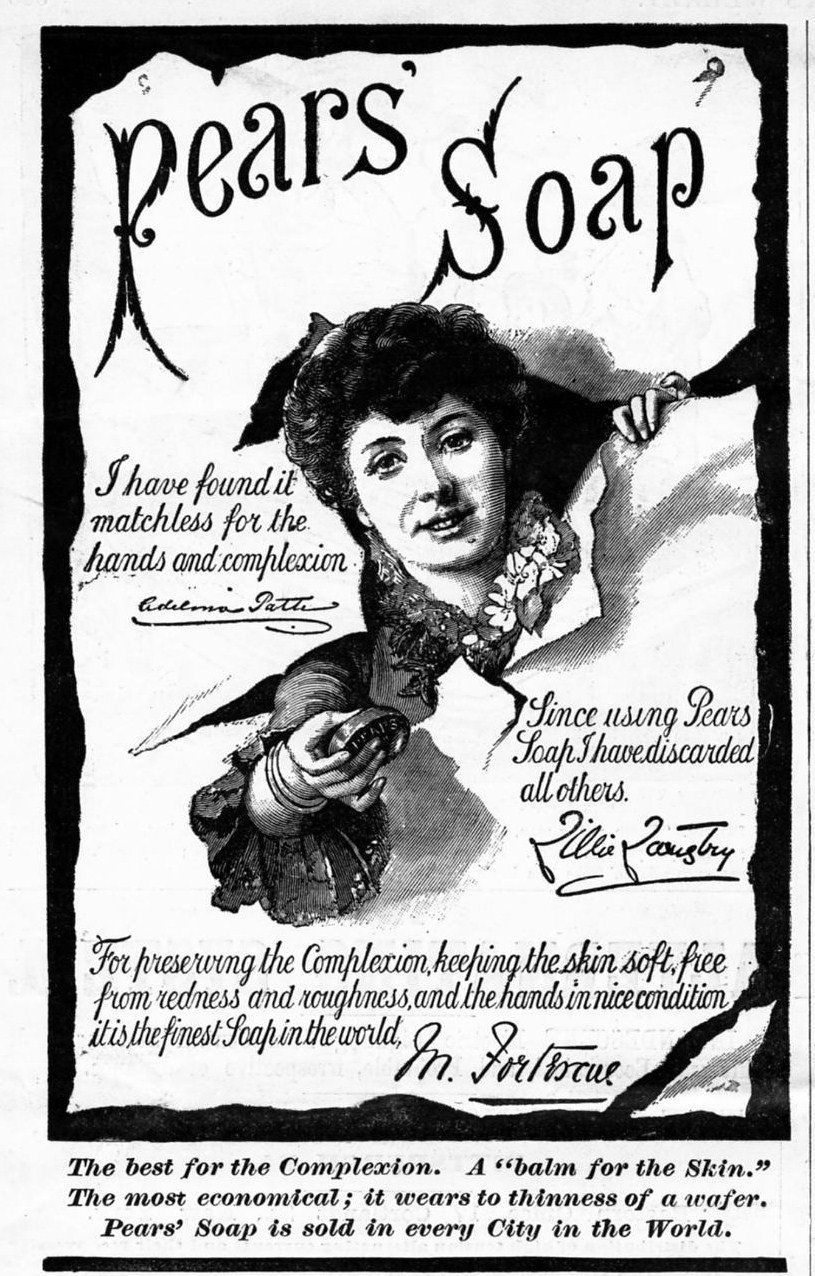
    By World War II, feminists, gay activists, and other critics disapproved of women partaking in cosmetics and considered it as a frivolous activity unable to provide any sort of help. These "petty" women argued back by stating the made up woman had become the symbol of the American way of life and acted as a front of encouragement for American soldiers fighting in the war. Wartime cosmetics advertisements, like Tangee, advocated the protection of freedom and democracy with the protection of beauty, encouraging women to men's work while still keeping her femininity. Ladies in this time period had taken up many jobs traditionally held by men but constantly faced pressure to keep their womanhood through cosmetics. While making up on a job acted as a morale booster for women, some male workers complained that it was becoming a distraction for women to appear glamorous on wartime jobs. In addition, the 1942 War Production Board's Order L-171 restricted and reduced cosmetics production by 20% in order to ration chemicals for war, but faced public opposition as cosmetics had become integrated as American identity, not just a daily routine.
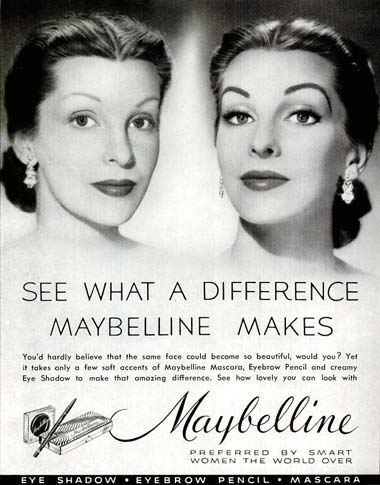
    Post World War II, the cosmetics industry experienced a boom as an exponential amount of beauty products was manufactured and on high demand. This seemingly limitless gamut of colors and styles altered the promotional strategies utilized by cosmetics firms while high powered advertising still proved fundamental to most big shot businesses, such as Revlon. In addition, manufacturers continued to practice market segmentation, the distribution of products through class, mass, and African American markets, but more distinct and nuanced groups, such as regional and age, began to form as the market appealed to a more diverse amount of people. By the 1950s, indelibility of lipstick and foundations became more popular, accentuating the artifice of makeup's performance, known as clean makeup. A psychological explanation for the use of cosmetics postwar was that the traumatic experiences of the men coming back had a negative impact on the women emotionally and took their jobs away; the only way to delve back into society was through feminine beauty as sexual allure and desire became more celebrated.
     A 1952 Revlon ad for Fire and Ice lipstick ascertained that the "genuinely sexy woman is the 'good' woman" (pg 249) and marked the change of the tie-in of cosmetics and a self sufficient woman without the heterosexual appeal for a man. Cover Girl became a brand that appealed more to younger girls and was seen as for wholesome, nice girls; however, both these labels became standards of perfection many couldn't reach. Generational differences experienced conflict with their makeup styles as cosmetics increasingly became more sexualized and seen as a step towards womanhood as by the mid-sixties, a quarter of all cosmetics sales were bought by teenager girls. In addition, the well groomed, clean shaven look appealed to men as cosmetics targeted them by claiming rank and wealth were within reach if they could look the part, producing a new array of men's toiletries (cologne, aftershave, deodorants...). However, as an attempt to prevent effeminacy, commercials began to advocate sexual aggression towards women as an attempt to subdue to them in their place.


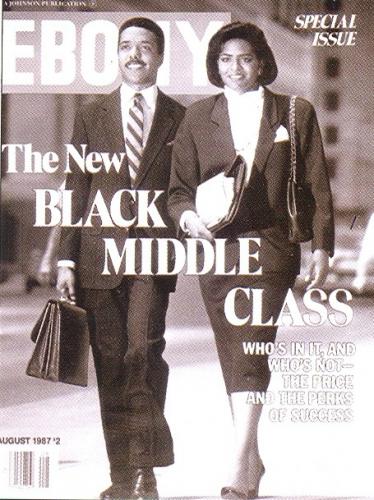
    From the 1950s-1960s, criticism for cosmetics were muted but most of it came from working class women who struggled to maintain moral beauty through their long hours, insufficient wages, and illnesses that deprived them of their physical, youthful appearance. Most of the criticism came from African Americans who were increasingly protesting discrimination and segregation more assertively as more institutions and companies became integrated. In addition, the rise of Pan-Africanism decreased the sales of hair straighteners and bleaches as more African American women embraced their culture and traditional "unprocessed" hair. The natural look was becoming more prominent in the black community as more women began to condemn white aesthetics and European features in black magazines, like Ebony, retaining its political associations with black pride, authenticity, and freedom. 
    The 1960s counterculture of the natural body condemned the commercialization of the cosmetics industry as a cornerstone for women's oppression. The no makeup look was started by feminists caused manufacturers to change their advertising due to the attack on beauty products to be more asexual and hygienic rather than glamorous. Some, Mary Kay Ashley, infused feminist economic goals with traditionalist ideals of womanhood. Under increased pressure from colored women, many firms began to reevaluate and respond to racist advertising and products only meant for white women. Even as criticism surrounded the mass market of cosmetics, secret users were uncovered, especially men, as more businesses appealed to them publicly with skin treatments and moisturizers while promoting masculinity with cosmetics. The gay look also became popular among magazines with short hair, muscular body, and attentiveness to skin care as more men delved into the beauty culture, partaking in activities that were once shunned as unmanly. In addition, the ideal of perfection for women was redefined as criticism for models that looked too perfect rose in the middle class. The multicultural look extended to women of all walks, different ethnicities and sexualties, and lookism became known as discrimination which was barred from parts of society as women protested its unfairness. 


Questions:
How did the natural counterculture have an effect on the men?
Why did cosmetics experience such an exponential growth post World War II?


Chapter 7: Shades of Difference

   The use of cosmetics in the late nineteenth century became a public debate as African Amercian rights while the Jim Crow laws in the South took a stronger hold. New cosmetic preparations claimed to bleach black skin into lighter shades and promised hair products that would straighten hair, but other beauty culturists, like Madame C. J . Walker and Annie Turnbo Malone, expressed racial pride and dignity and refused to sell these kind of products that would emulate "white beauty". Black writers started to emphasize the contradictory rejection and embracement of white emulation by denouncing bleach creams and hair straighteners but also encouraging proper, impressionable looks and behavior in public places like the New Negro Woman sketched by John H. Adams Jr. in 1904. Some critics even excoriated the use of cosmetics in general, saying it created a mulatto elite who had lighter skin and better looks and were accused of trying to create their own separate class. This color hierarchy disrputed black society as more African American men began to judge women based on their outwardly appearance and more black newpapers ran more articles of black accomplishments and racial dignity while the bulk of the advertisements were cosmetics products promising lighter skin and less curlier hair.
The New Negro Woman
    Black commercial culture further complicated issues by placing cosmetics in a race-conscious national economy, declaring African American beauty as racial pride, and asserting ALL had the natural right to beauty. Soon, the distinguishment between good African American cosmetic product companies came between white and black owned. White owned companies came under heavy criticism for its disfiguring skin bleaches, racial discrimination in the workplace, and racist advertisements, like Plough's skin bleaches. As a response, black women asserted their position as the upbringers for racial pride through beautiful celebrities, community service, beauty contests... etc. Cosmetics firms took this as an opportunity to turn towards media-based marketing strategies by first demonstrating African American beauty as respectable, refined, and light-skinned to icons of luxury and fame with portraits of attractive black performers and celebrities by the 1920s. Although these advertisments endorsed racial pride, many of the women in the pictures had European features and styles, contradictory to the message the companies intended to send. The idea of beauty universality created a consumer market in which different cultures could participate in the mass market of cosmetics while still being accepted into society one way or another. 
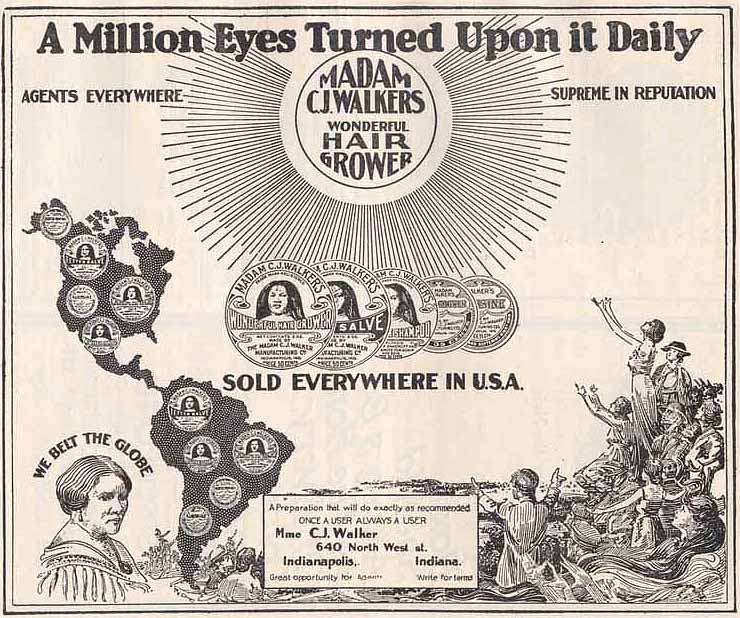
    Different perceptions of cosmetics useage, especially with hair growers and skin bleachers, were based off of the consumer's socio-economic conditions. Many expressed gratitude towards the hair products though most information about bleaches and other products remain unknown due to the lack of information recorded. However, most of the women who bought these preparations were new to commercialized cultures and intermingled old traditions with the manufactured remedies. They studied and analyzed the advertisements and opinions from their friends of African Amercan owned companies and those who bought them praised the manufacuturer through letter and by spreading word of the product (Madame C. J. Walker's Wonderful Hair Grower).  The Great Migration in 1915 also impacted black women's consciousness of their appearance through job applications for northern employers as self presentation became more prominent in urban life. This resulted in the urban black population to revolve more around white emulation while still supporting black individuality in order to have more opportunities on hand socially and economically. However, there were still alternative reviews of maintaining African American traditions with no contamination of white emulation as many articles and newspapers continued to praise the conservative black girl even though beautifying became an essential part to a lifestyle that took over many lives. 


Questions:
What was the extent of white influence on black cosmetics consumers and manufacturers?
How did racial equality fit in the argument of the use of cosmetics for African American women? 

Tuesday, March 10, 2015

Chapter 6: Everyday Cosmetics Practices

    Although cosmetics had expanded into a mass market, distribution was unequal among women regarding to age, location, and class. In urban areas, especially New York, makeup was common and the fashion style circulated more around the working class while wealthy women used makeup sparingly. In rural areas, the expenditure for makeup depended on the income of the farm families earned that year, but gradually grew to include more products and usage. Also, younger, teenager girls under 25 years old became the main indicators and consumers of makeup.
    National advertising gained prominence in the beauty industry as more women began to purchase cosmetics. Although they were common and seen almost everywhere, their circulation varied heavily on economic class. Wealthy women often used them as guidance manuals and submitted frequent questions to manufacturers while national brands were irrelevant to low-income women since they couldn't afford most of the higher quality products and just relied on free samples. These women were more influenced by their families and friends rather than advertisements as well; peer pressure often encouraged or discontinued their use of beauty products. Also, many women continued to use homemade products even with the increase of more cosmetics products, fearing chemicals in cosmetic products would cause more hair growth or create more wrinkles. However, these ads had an effect of shopping, making it more of a social pleasure rather than a chore, and some women even built organized activities around the beauty culture like beauty days, women's clubs, and even party games. 
    Soon enough, face powder, rogue, and lipstick became more popular than vanishing cream and astringents; makeup applications were overtaking the beauty culture regimens. Women increasingly analyzed these products and experimented with them to determine what was best for their complexions. Due to them spending more time on cosmetics, men increasingly became critical of this daily routine, not comprehending the physical and psychological pleasure that came with using these products. In addition, women who had little time or money to spend on cosmetics (farm families) were considered old fashioned and only used face powder or skin cream to protect it from wind and soot, resisting makeup, like rouge, because of its ability to change one's appearance. On the other hand, moderns in society saw it as a "medium of expression" instead of a protective covering. Advertisements took advantage of this by linking appearance with female personality, but didn't include realities of life, like wage-earners and the working class majority. Women, however, incorporated cosmetics into their lives as romanticism and a way to avoid looking old and tired.
    The work of makeup led to two roads: an acceptance of artifice and towards a more natural look. Younger, "problem girls", or immigrant girls wishing to be Americanized believed that makeup should be a makeover, a complete transformation in appearance and made up in public places because it declared an adult status, while others, more conservative and respectable, valued undetectable makeup that merely accentuated one's features. The use of makeup among young girls led to conflicts with families and rebellions but eventually won acceptance in society as a method to personalize one's image. 
    Beauty ideals were also shaped by media messages with the beginnings of Beauty Contests (Miss America) and glamorous celebrities portrayed as heroines in influential movies. Meanwhile, men began to be influenced by famous actresses and became more selective about their attractiveness to women. In the business world, cosmetics developed into an unspoken requirement as some employers took appearance into account, leading to a rise in beauty education and manufacturers giving their employees beauty treatments. Colleges and schools that first condemned the use of cosmetics and promoted a natural face gradually adapted to permit and educate students to give them more opportunities later on. However, a counterrevolution against the dangers of cosmetics was starting to rise as more and more companies were becoming exposed for the toxic ingredients in their products. The 1938 Food, Drug, and Cosmetics Act was intended to make cosmetics safer by bringing them under the arm of the government. However, these activists did not condemn beauty products; they just wanted to distinguish the difference between honest and criminal cosmetics. Women benefited from these new reforms and protests and shared their experiences of gullibility and failures, changing their view of cosmetics. 


Questions:
How did the outward appearance have an effect on women's social and economic opportunities?
What were other reasons that men so strongly condemned use of cosmetics?

Monday, March 9, 2015

Chapter 5: Promoting the Made-Up Woman

   The mass-market cosmetics industry proclaimed itself as a factor of the social revolution that freed the constraints of the previous Victorian codes, and cosmetics were one of the forces used to breakaway from these conventions. While this appealed to the feminist movement for women gaining more roles in politics and the economy, this was a contradictory argument as few business attempted to connect beauty with American women's new rights. Pond only utilized this and promoted famous testimonial campaigns to up his sales due to competition from Arden and Rubinstein, but eventually turned to European aristocrats or glamorous celebrities, demonstrating the dissolution between female beauty and success.

    However, this mass market industry did change views of women from nineteenth century distinct images of mother and daughter, elite and working class, and decent and corrupt. Cosmetics transformed how women should want to look: young and attractive no matter the age. Heavier eye makeup also started to become less criticized or associated with prostitutes and societal Jezebels but rather reminded ladies that they were constantly on display and were able to transform their appearance as a natural right. This challenged the earlier perceptive of paints as deceitful but as a personal metamorphosis applicable from the ordinary factory girl to a high status fashionable lady. 
    Cosmetics industries continued to encourage individuality with a large gamut of different products and "guided" women to discover and personalize their own nature with Armand's chart of thirty two "distinct" types of women (most of the differences between the women were skin or hair color, but facial features were indistinguishable). Modern marketing strategies built on the different beauties of varying ethnicities and often combined different cultures into one face, defining the face of America's diverse population while excluding African Americans. However, many still believed America's face should be white but tanning became more widespread and popular. This was viewed as one of the many options for women's skin and just another choice though and therefore established white supremacy and racial prejudice. 
    Widespread acceptance for paints deemed it the term glamour instead, a more positive connotation, but too much "glamour" was equitable to low social standings as cosmetics were apparently to make one look more "naturally attractive" ironically. Looking "natural" in this era required a box of foundation, rogue, lipstick, eyebrow darkeners... etc. however and manufacturers began training women's eyes to see cosmetics as natural. However, these products, especially lipstick, were seen as controversial because the bourgeois continued to link it with sex, and makeup application in public revealed the illusion behind the appearance so marketers began delineating time periods for certain makeups (sensible during the day, exotic at night). As cosmetics began to insert itself more into women's lives, advertisements, particularly radio broad castings, claimed that a woman's mental health and femininity relied heavily on their appearance and a blemished complexion will cause passed opportunities and misfortune. This reinforced the idea that all women had similar goals and united them in a democratic movement of consumerism and beautification, proclaiming the New Woman. 
    The cult of manliness in the late nineteenth century prevented much industry for males as cosmetics were seen as effeminate and associated with homosexuality. However, as women increasingly purchased cosmetics, men began to discreetly apply face powders or concealers in the safety of their restrooms, and sales for men ordering beauty sales sporadically increased with the development of the mass market. Shaving was one of the first items to be socially accepted as it was advertised as a tool for hygiene and promised more economic and social opportunities as ads played to racist men's prejudices and desires to separate themselves from other ethnicities. Many manufacturers attempted to make cosmetics manly or give them a new name, like talcum powder which was to be used after shaving but was very similar to women's loose face powder. Men's insecurities eventually prohibited the popularity that came with cosmetics for women though several industries made ambitious tries to incorporate men into the expansive fold of cosmetics. 


Questions:
Besides the fear of turning "feminine", what were other reasons for men to be insecure about using cosmetics?
What were some legitimate reasons for the consequences of the social revolution women experienced after the Victorian era the cosmetics industry took credit for?


Chapter 4: The Rise of the Mass Market

  After World War I, the beauty market flourished and the number of cosmetics manufacturers nearly doubled as women's acceptance for them grew. Women had grown tired of methods of sales by druggists, mostly miscellaneous private labels, and had grown to prefer patent remedies, spurring on the growth of cosmetics manufacturing. However, this take off had a few bumps along the road, with Perfumers not wanting to sell to the masses, competition from the French, and more safety regulations of these products (establishment of the 1906 Food and Drug Act), but some older companies collaborated with the newer entrepreneurs to set up this modern makeup industry while some pharmacists relied on private formulas created locally but sold in the national market. Men, like Carl Weeks and Max Factor, also took advantage of this way turn earn easy money, further developing the mass market.

                Due to private-label manufacturers, many companies used the same standard products under different brand names and added minor additives for slight differentiation. As make up in the cosmetics industry began to rise in demand, more startup business relied on them for special equipment and expertise. Simultaneously, a wide array of cosmetic firms filled the market with thousands of new products, leading to competition for shelf space. This caused major companies to promote their products by offering window trims, advertisements for retailers or druggists, and free samples. Advertising became a key component to boosting sales as technology created better means of advertising, like radio broadcasting, causing the cosmetics industry to have a large expenditure on ad placements. However, women’s role in the cosmetics industry steadily went downhill as consumerism caused many ladies to purchase makeup from department stores or other business rather than beauty parlors or salons where it was previously most popularly sold, especially after 1920, but the beauty culture tradition still remained intact with the higher class segment. Men in large manufacturing companies gradually overtook women’s smaller businesses and deemed the trade in makeup, a temporary beauty business.
                For African Americans, business was still segregated but more exclusive to the black community even as time went on. They tended to support and help one another, like the rise of Anthony Overton’s High Brown product that inspired other white entrepreneurs to focus solely on black cosmetics. White manufacturers noticed the growing attraction to cosmetics and began soliciting black patronage. African American cosmetics manufacturers attempted to form a trade union in 1917 to counter this but cooperation proved to be difficult. In addition, the Great Depression was the downfall for many businesses, though beauty shops and agent operator systems did not go extinct.

                Throughout the 1920s, men looked for ways to legitimize their stance in the cosmetics culture, emphasizing their masculinity as salesmen and denouncing homosexuality in ads. They also had difficulty appealing to their female customers and started hiring female beauty experts that identified with their brand or creating fictive characters, Mrs. Gouverneur Morris for Primrose House. This displaced women from ownership but more advertisers and manufacturers turned to them for advice and knowledge, creating the first generation of advertising women.
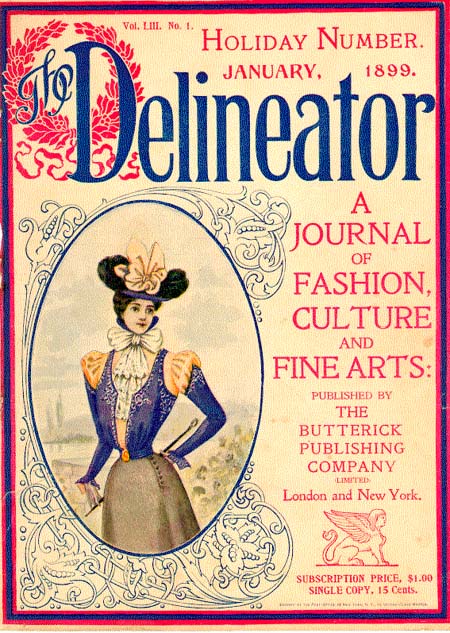
                The rise in national advertising in the 1920s also created synergies, ties between cosmetics manufacturers, advertisers, retailers and mass media. The main women magazines, Ladies’ Home Journal, McCall’s, Delineator…,  redesigned their layouts to break up the texts among advertisements, mostly cosmetics, while still promoting natural beauty and purity. On the other hand, newspapers and cheap magazines provided the buzz for beauty news, becoming a leading source of advertising revenue and caused major cosmetics manufacturers to start kissing up to beauty editors for free publicity. The beauty editorial style, a light and intimate tone, took hold as the distinction between editorials and advertisements became blurred, persuaded famous people to lend their name to the brand, and conducted early market research. The tie-in became popular because of its way to connect popular trends with national advertising, especially with the stage and screen (Max Factor’s frequent product demonstrations at matinees and became extremely popular at department stores with public lectures and booths) and with garment manufacturers to rationalize the fashion trade, turning cosmetics into accessories but connected fashion’s successes and downfalls with cosmetics. The hidden or closed demonstrator pretended to be a saleswoman at a store and touted her employer’s products method began to expand (another version was push money or p.m.s in which a saleswoman was paid a commission directly by the manufacturer if she pushed their line) and continued into the 1940s even with passage of legislation to curb the phenomenon. It demonstrated to the male manufacturers that the cosmetics business required information, educated consumers, services, and women’s sociability.  


Questions: What were some juxtapositions regarding the development of the cosmetics industry into a mass market?
To what extent was the importance of women’s role in the promotion of cosmetics advertising and sales? 

Sunday, March 8, 2015

Chapter 3: Beauty Culture and Women's Commerce

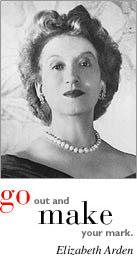
    Women played an important role in the increase in beauty and cosmetic sales as parlor owners, cosmetic entrepreneurs, and complexion specialists, leading to mass consumption in national advertising and distribution. The need for more employment during this period led to more women joining the commercial and service economy and actually achieving sucessful business primarily in the cosmetics field. Elizabeth Arden, Madame C. J. Walker, Helena Rubinstein, Annie Turnbo Malone, and other well known figures were a few of the signs of rising female leadership through the idealology of beauty culture (the transformation from a personal cultivation of beauty to a culture of shared meanings and routines). These women had different origins, either starting out as poor immigrants or as wealthier higher class ladies, they along with other women patented more products than ever before, paving the way for future women entrepreneurs.
    Though women were leading a growing movement of more independence and economic independence, sexual discrimination had not disappeared, and men typically still handled key positions in finance and marketing within the businesses. In addition, they faced competetion and reluctance from druggists who preferred to shelve products from prestigous male perfumers and needed more convincing and a high demand to sell products made by women, especially African Americans. In response, female beauty culturists developed new ways of distribution, sales, and marketing lik:e mail order, door to door peddling operations, specific hair or skin care programs at beauty schools (some entrepreneurs had franchise operations with these schools), and pyramid organization (multilevel marketing that trained women in a specific beauty method who in turn taught more recruiters, widening the distribution circle). These companies promoted charismatic capitalism, institutions that incorporated a profit organization with characteristics of social reform. 
    Those involved in the beauty business faced a dilemma on how to create a better face for the cosmetics industry when it was so widely viewed as sinful and shameful not so long ago. Men in the beauty trade usually utilized patent dramatic before and after advertisements or sold their miscellaneous cosmetology products rather matter of factly. On the other hand, women tended to use their experiences and personalities to appeal to their consumers more effectively, such as Elizabeth Arden and her "pink" femininity. They often reshaped their images to main active in the industry, like how Helena Rubinstein had an inclusive view, adopting all sorts of girls into her business and supporting the equal rights movement and how Madame C. J. Walker often used her background as a hard worker on the cotton fields to relate with many other African Americans. 
    The way expertise and personality was portrayed through white businesswoman was the key to their success. Although they did not utilize many advertisements as women magazines often banned ads that seemed far fetched and never lent ad space to African American companies, the practice of going door to door and mail order achieved substantial achievement by establishing personal bonds and relationships with clients. In addition, this rising trust led to beauty parlors and salons to become a social meeting place for urban middle and upper class women and eased the embarrassment and ignorance for women discreetly attempting to use cosmetics. Public lectures and demonstrations, like Madame Yale’s “The Religion of Beauty, the Sin of Ugliness”, followed suit and created wide consumerism to a diverse public, advertising to rural and immigrant ladies and promoting that beautification had become necessary rather than shameful. This indicated the shift from paints to make up (enhancing one’s features instead of covering or painting over it) as more women, especially the bourgeois, began to include this ritual in their daily routines. Beauty culturists incorporated this into the feminist movement and ascertained that beauty “was more powerful than the ballot” (pg 87). Soon, prominent figures in cosmetics, like Elizabeth Arden and Helena Rubinstein, began to transform elitist beauty culture into a modern industry by selling costly cosmetics to high line stores but appealing to all women who had money to spend, urging them to join the high society by purchasing their products.

     The commercial beauty culture for African American remained segregated among whites, especially with the promotion of skin bleachers for white consumers. Some black beauty culturists encouraged the emulation of the white society and asserted that paler skin and straight hair would create more opportunities and social freedom. However, the most significant businesses, like Madame C. J. Walker and Malone, encouraged beauty among the African American community as a method of personal dignity and communal support with succumbing to white standards. Hair grooming brought these ladies together as they advertised orally and through agents in the pyramid organization, spreading rapidly with the lure of a secure job with fair salaries and conditions for black, disabled, or ill women. Walker and Malone also advocated religious principles into their work, along with black women’s rights movements to gain support and justify their institutions. This represented the ideal of the business family group, promoting trade while building up the community. 


Questions: 
How did the beauty industry transform women's place in society? 
What kind of ways did businesswoman use to support the rising cosmetics market? 


Thursday, March 5, 2015

Chapter 2: Women Who Painted

    In the Victorian age, a small number of mostly upper class women who daily used cosmetics steadily rose in society. Criticized by the more conservative traditionalists as artificial and hypocritical, the fashionable women elite saw themselves as more autocratic with more options while still remaining obedient and subjective to their husbands to uplift their place in society rather than deceptive and fake as the other ladies saw them as. This feminist movement still resulted in warnings of women becoming "unsexed" and the fear of prostitutes, saleswomen, or octaroons (interracial mixed people) mingling among society led to publications of advice books to bachelors.
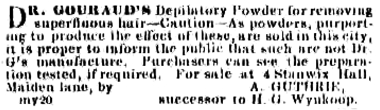
    The ideal face still was still pale skin with blush, dark eyebrows, and red lips; the desperation to attain this look led to some young women to defy their parents and elders and painted their faces. The most important aesthetic feature remained white powder or skin whiteners- white cosmetic. These products were held above all else and were still used when women were attempting to achieve a more natural look ironically. Many secretly applied these toxic substances, thinking their chances in society or work would improve, but resulted in lead poisoning often and went go to great lengths to conceal their habits. In addition, the use of cosmetics took hold among African American women as well, though they were criticized for emulating white beauty, and the racial prejudice treated those with lighter skin tones or straighter hair better leading to some companies developing products that claimed to alter black skin to white (was actually really harmful and didn't work).
    Throughout the later half of the nineteenth century, the fashion economy developed through commercialization and more department stores, and while a natural face was still encouraged, clothing became more exuberant and fancy as fashion sense flourished. Middle class women had more opportunities to display their finery, like shopping or strolling the streets, and the working class would window shop or create versions of stylish clothing from their own homes. Also, men and women both started gaining a more comprehensive idea of their facial qualities during this century, and would deliberate more about their appearances through portraits, mirrors, fashion plates... etc. However, as photography became more advanced, pictures became more important in familial and social life as some began to see them as representations of their identity as well as their body because of the detail and precision never seen before. Some clients demanded the photographs to be retouched and to remove blemishes while retaining a natural look while others relied on cosmetics to give them the appearance they desired (some photographers would even advise their sitees of their clothing, posture, cosmetics). With the advancement of technology, fame of actresses began to increase even more as they constantly applied paints to display their beauty to the nation through spreading pictures and even cosmetic advertisements. Makeup soon became a standard and considered as a method to control women's features as justifications for applying it were gradually brought up. 
    Between 1870 to 1900, cosmetic sales grew incrementally but was still a tiny fraction of the American economy. Women became more involved in consumerism and some magazines promoted this change while encouraging them to still use homemade remedies to improve complexion and other facial features in editorial advices. However, this did not curb the growing curiosity and want for more beauty products as more companies began to incorporate cosmetics into their sales, competing with druggists who eventually became the primary distributors along with retail outlets. This expanded its market as more and more people could afford and buy it, like rural and African American women, who increasingly took part in this consumerism (hair straightening products), and some advertisements exclusively appealed to black women in communities, creating a wide mail order trade. 
    Gradually, makeup became to be less tabooed by society as more women began to apply it such as prostitutes, sporting women (neither prostitutes nor performers; pleasure seekers), and the working class. Their methods of application drew distinct lines of their social place, and young working women were especially known for their sometimes excessive use of cosmetics, such as the tough girls who were thought be uninhibited and sexually active. However, resistance and resentment towards the changing cultural standards came as a result and several cities pursued and targeted women who seemed artificial without a natural face, which were mostly started by men who saw cosmetics as a mark of sin and denounced their wives' excessive expenditure on toiletries. The useage of makeup became a controversial subject among women as well as they debated whether its application was considered deception or an underlying truth that not all women were born beautiful and that others should be given an equal opportunity. Meanwhile, cosmetics revolutionized as reformers exposed some of the dangerous ingredients in the products (lead and mercury) and newer products that had more natural tints became more popular. 


Questions: 
Was the subject of cosmetics more polemical among women or men?
Why did African Americans start becoming interested in emulating cosmetics used in white society?


Wednesday, March 4, 2015

Chapter 1: Masks and Faces

    As early as the 1600s, women have been coming up with various methods to improve their outward appearance in attempts to appear more attractive to gain more opportunities in society. As women became more conscious of their complexion, the rise of cosmetics (creams, lotions, or other solutions used to protect or correct skin) and paints (white or tinted liquids that covered skin and blemishes, also known as enamels) became a controverisal subject as some women became subject to its detrimental consequences, such as lead poisoning or ingestion of arsenic. The cosmetic knowledge had different origins with Native Americans, Mexicans, European, and West African practices and spread rapidly usually orally or through "recipe" books which usually upheld beliefs of Humoralism (the four bodily fluids, blood, phelgm, yellow bile, and black bile, controlled human conditions that showed themselves through complexion) and other beliefs in the power of magic, nature, and astrology, leading to complicated and questionable concotions.
     Therefore, beautiful skin meant good health and spirit. As time went on to the the mid-nineteenth centur, beauty products had started to become commercialize though some homemade traditions still reamained popular and the cosmetics industry was still a miniscule component of American economy, only about a $335,000 of all manufactured toiletries. The distinction between cosmetics and paints became thinner and more blurred as new, peculiar ingredients became more sought after and a variety of manufacturers, especially from abroad, created lines of cosmetics while sales increased, Competetion from patent (medicines and beauty preparations sold through means of national advertising and distribution) firms and local druggists arose as they both used advertisements to discredit their opponents' goods. However, criticism of the unfair prices and damage the "medicines" actually caused upon a woman's health grew louder and warnings against cosmetics' growing market invited women to become their own household manufacturers.
   The useage of cosmetics by men gradully changed over time with the political alterations from the 18th to 19th century as lotions. paints.. etc. that were previously valued and adorned to show elitism became denounced during the American Revolution to show a severance from the aristocracy and a sense of duty to the new democracy. Men began to see cosmetics as unmasculine and a coverup from the truth but continued to utilize a few products related to hair and shaving. Later on, women were also encouraged to abstain from cosmetic products but rather apply "moral" cosmetics to maintain innocence and virtue, relflecting the physiognomic principle that inner beauty was reflected in the outwardly appearance. In addition, ettiquette books sold in this period motivated self control and sexual purity rather than concealment of the face through paints and enamels which were particuarly influenced by the middle class cutural standards. 

    However, the rising feminine ideal of untouched, pure faces did not curb the earlier perspectives of women as corrupt and decietful with the help of paints and cosmetics. Women who used them were associated with prostitutes and deemed as "Jezebels" as a bad example for women. This view mostly came from the middle class who were trying to separate themselves from the seemingly corrput higher class who were "all art and no substance" (pg 27). The fashionable ladies would attend enameller studios and expose themselves to harmful chemicals in order to retain a lovlier outwardly appearance, signifying female degradation (especially amont prostitutes). These painted women supposedly invited sexual encounters while simple and pure self-presentation indicated sexual purity and social respectability, which was prefered by the middle class taste.
    Cosmetics and paints also extablished racism and white supremacy as a white complexion was considered most beautiful and justified the inferiority of other races. Also, the rise of photography led to more demands of photoshopping the images of enhancing facial features and leaving out blemishes for those who were self conscious, but led to criticisms demouncing the untruthfulness of the business. African Americans were the total opposites of these aesthetic standards set by whites and were denied social and political participation as a result. Black women were abused by their mistresses when they attempted to beautify themselves and by white men who were more subject to sexually abuse them. The white population used this ideology of inferiority as fear of losing their pale complexion and lowering their status (the worst case scenario is tanning), and racist warnings against chemical induced cosmetics spread, depiciting the conditions of the Jim Crow laws. 


Questions:
Was the desire for an untouched complexion more significant before or after the growth in cosmetic consumerism?
How would feminists in the progressive era react to the increasingly frequent uses of cosmetics by women during this time period?